
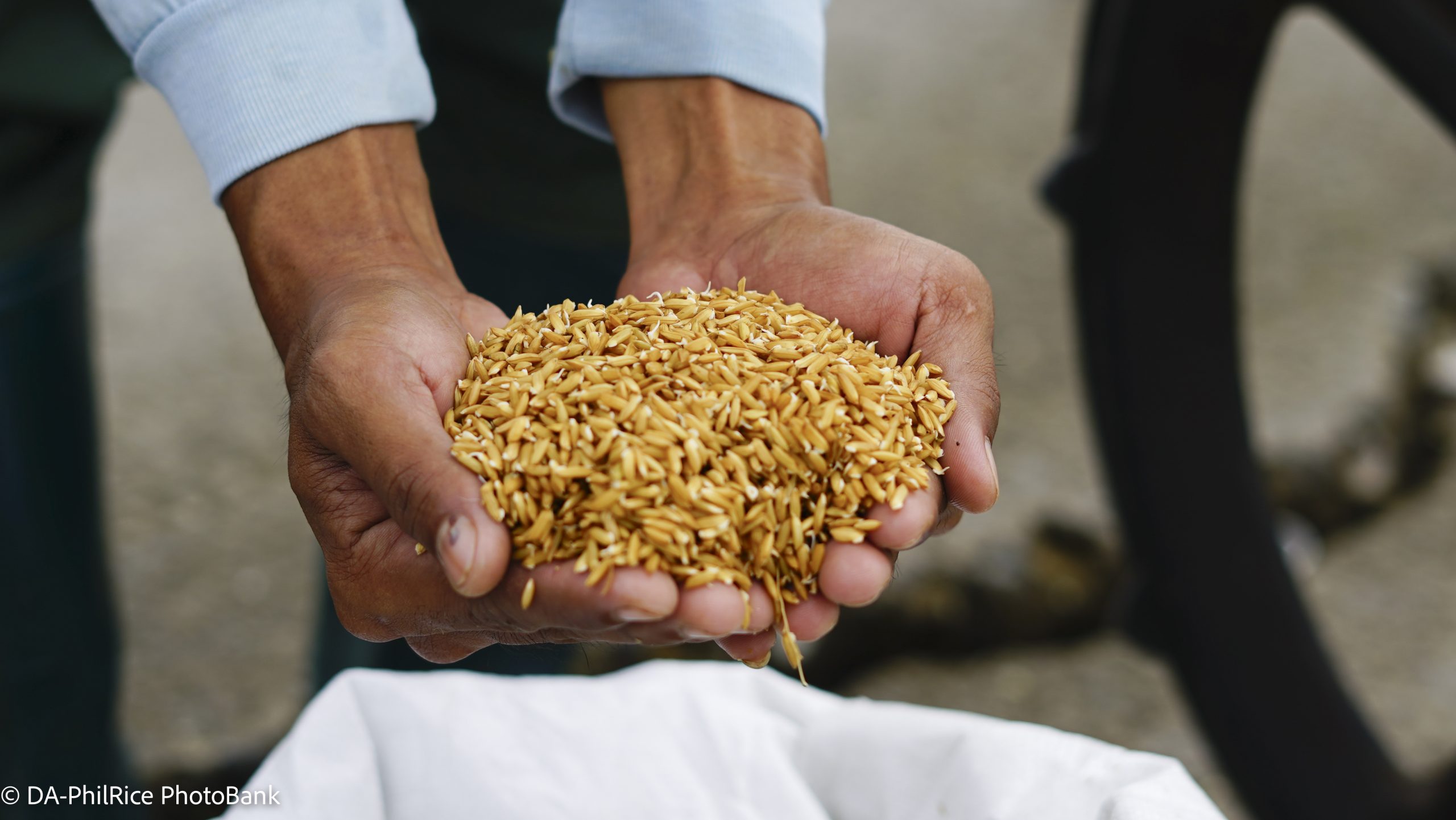

Key Check 1: USED HIGH QUALITY-SEEDS
OF A RECOMMENDED VARIETY
High-quality seeds are relatively pure, have fewer weed seeds, free from visible seed-borne diseases, full and uniform in size, and have at least 85% germination rate.
As crops from high-quality seeds grow, mature, and ripen uniformly, harvesting activities become more efficient. All of these can contribute to an increase in yield of 10% or more.

Key Check 2: WELL-LEVELED FIELD
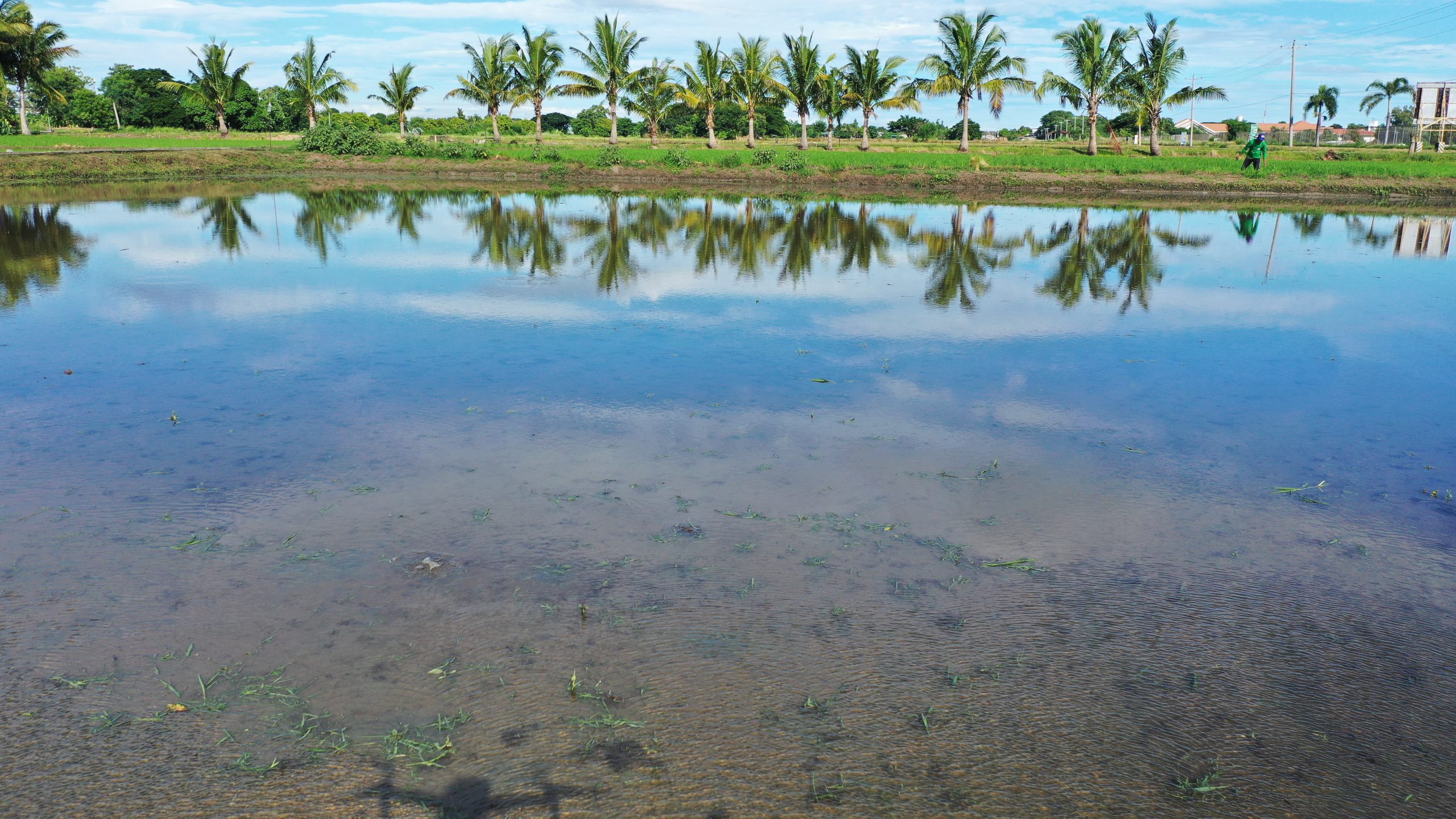
A well-leveled field is a pre-requisite to good crop growth and management. It helps achieve the following.
- efficient water management
- less weed incidence
- better snail management
- efficient nutrient utilization
- uniform crop growth and maturity
- efficient use of farm machinery
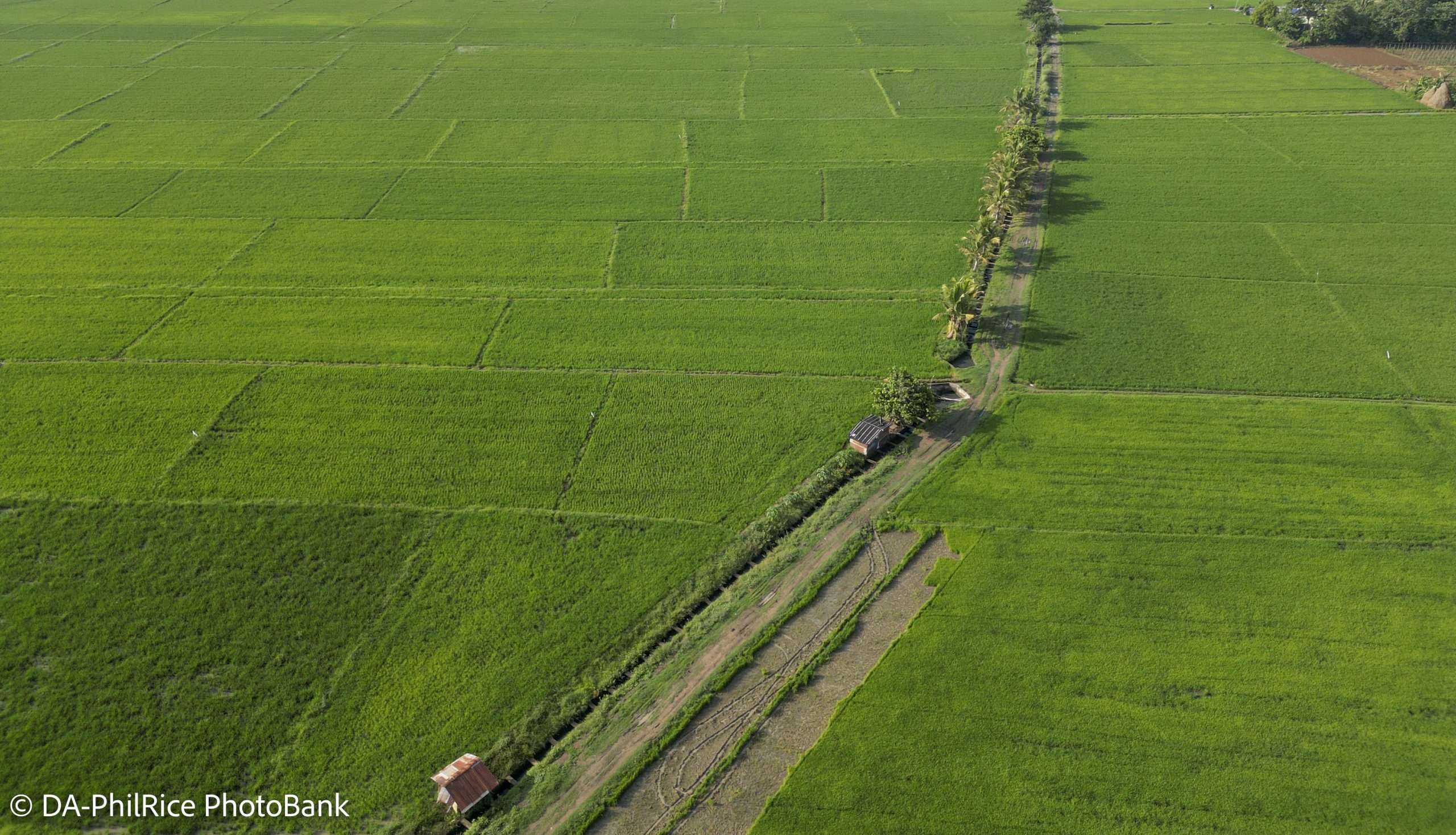

Key Check 3: PRACTICED SYNCHRONOUS PLANTING AFTER A REST PERIOD
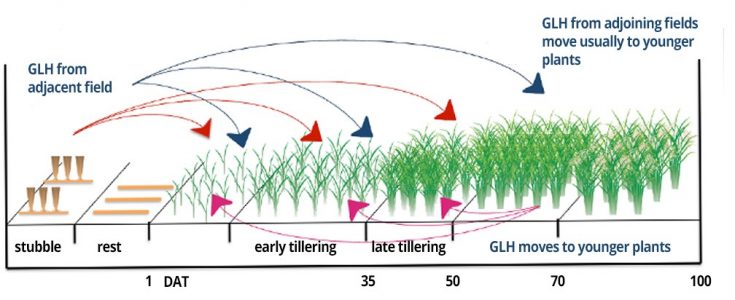
Synchronous planting after a fallow period or rest period enables efficient use of irrigation water and avoids overlapping incidences of insect and disease populations, thereby preventing yield loss
Key Check 4: CROP ESTABLISHMENT – SUFFICIENT NUMBER OF HEALTHY SEEDLINGS
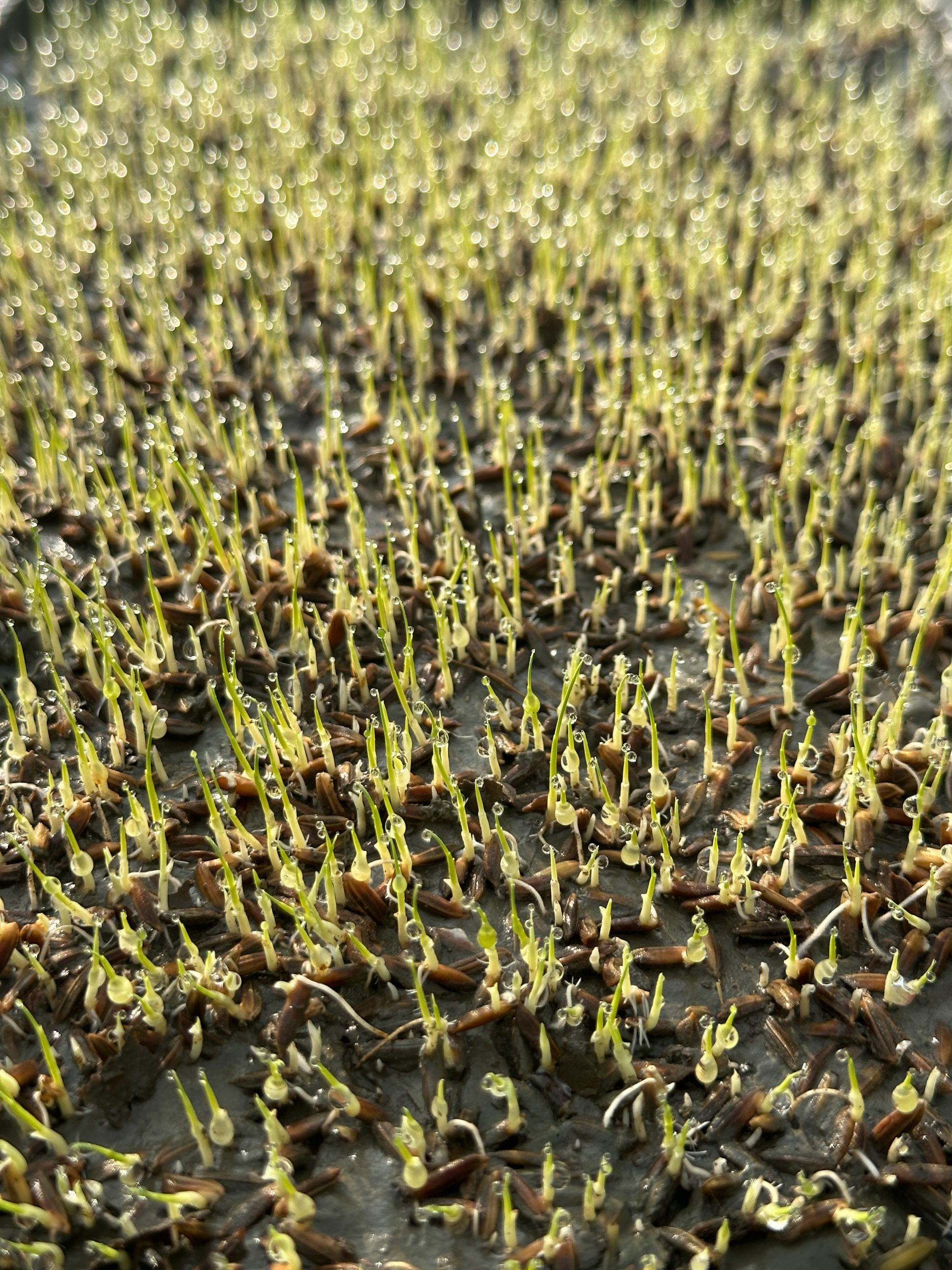
Healthy seedlings have short leaf sheaths, long and dense roots, and even height. They grow uniformly and have no pest damage.
With uniform growth, healthy seedlings produce a good canopy and every plant can avail of sufficient sunlight and soil nutrients. They can also easily recover from transplanting shock, and have higher survival rate. They produce productive tillers that translate to increased potential for higher yield.

Key Check 5: SUFFICIENT NUTRIENTS FROM TILLERING TO EARLY PANICLE INITIATION (EPI) AND FLOWERING
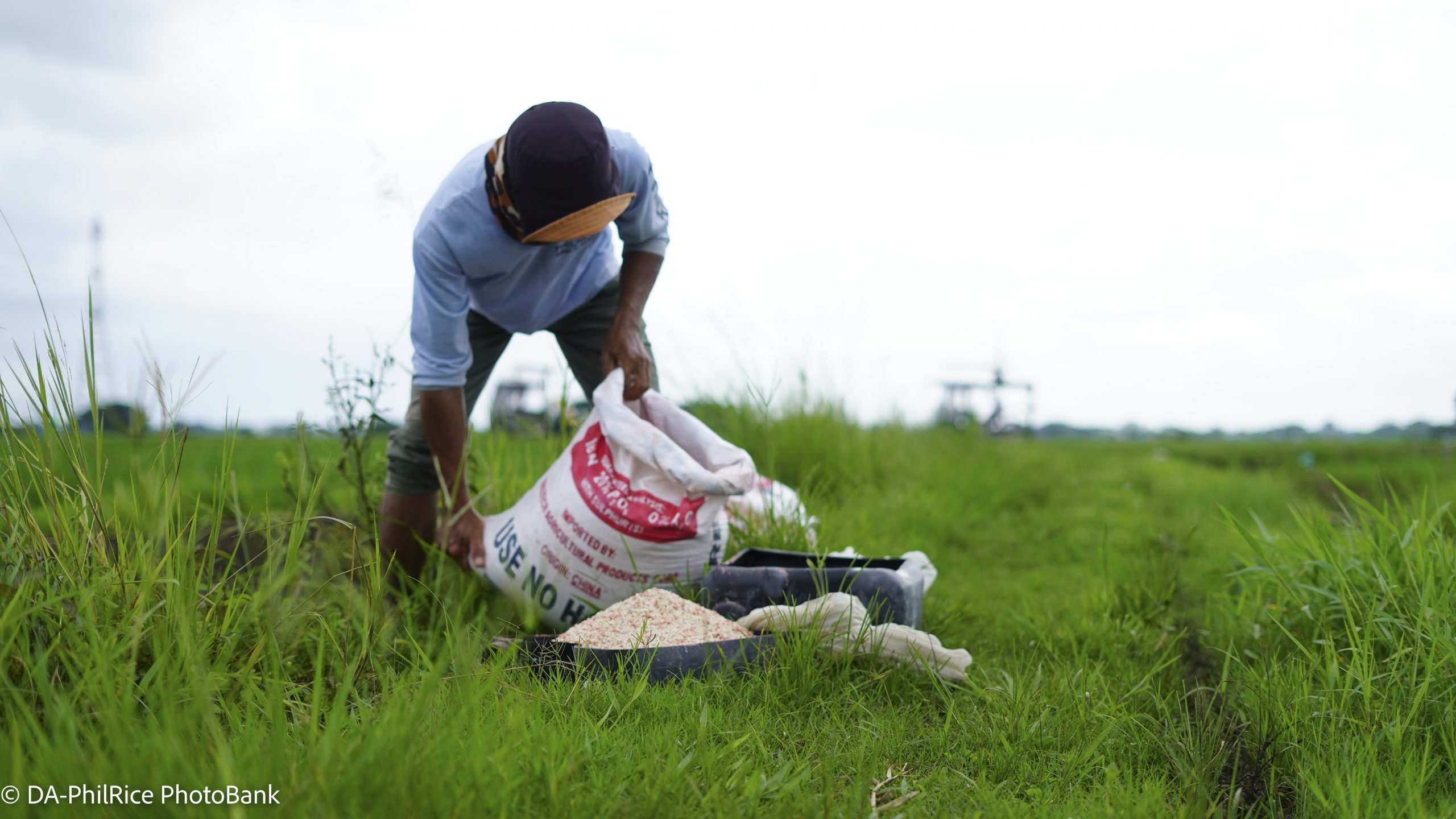
Nutrient inputs as fertilizers fill the gap between what the crop needs and what is currently present in the soil, water, and air. Sufficient nutrients from tillering to EPI and flowering ensure good growth and uniform panicle development of the crop. They also ensure attainment of the crop’s yield potential.
If nutrients are insufficient during these stages, there may be slow growth, less tillers and panicles, fewer seeds, and lighter grain. Excessive nutrients will cause pest damage, lodging, and soil pollution.

Key Check 6: AVOIDED STRESS CAUSED BY DROUGHT OR EXCESSIVE WATER THAT COULD AFFECT THE GROWTH AND YIELD OF THE CROP
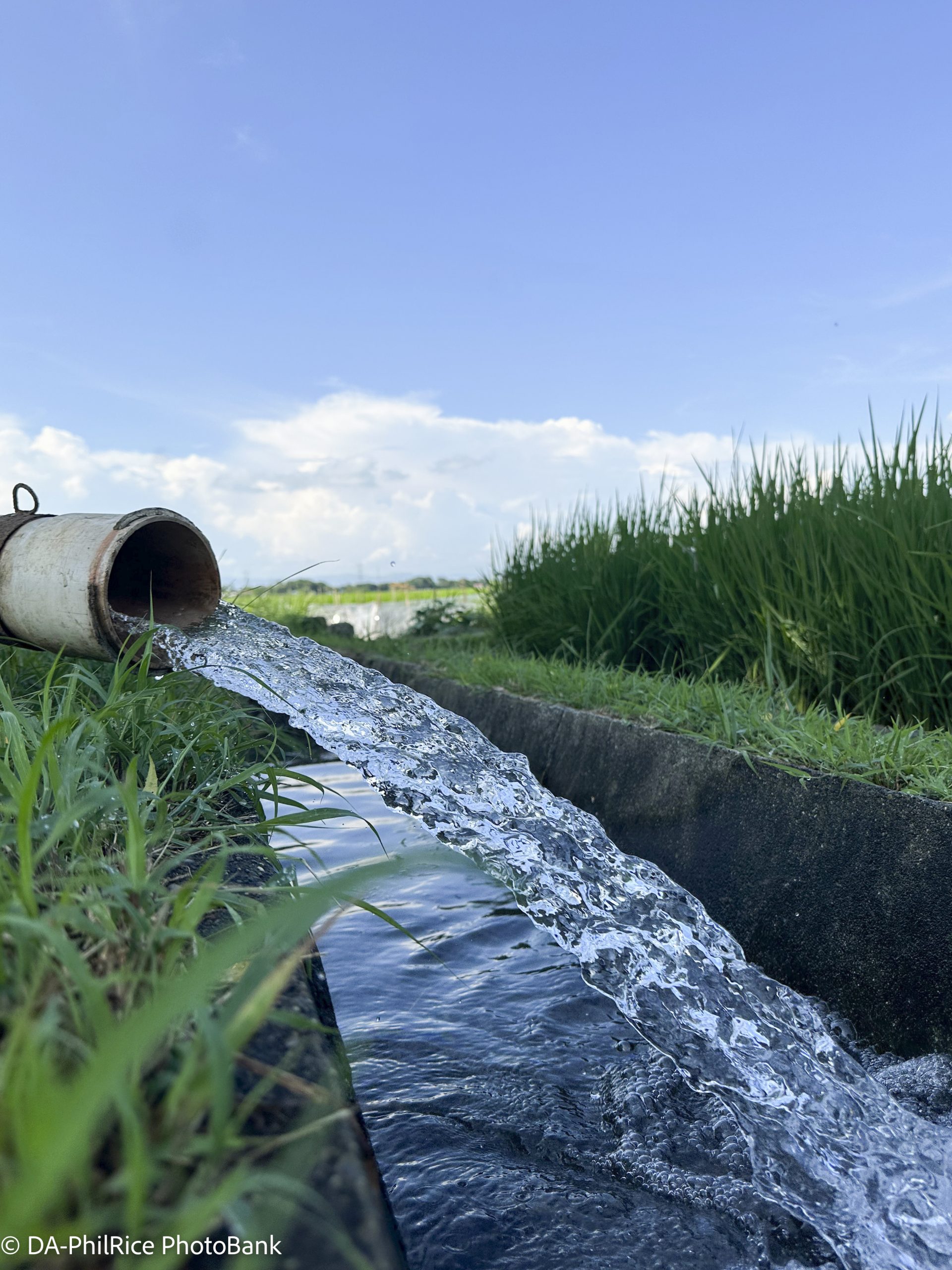
The right volume of water promotes better nutrient uptake, good plant vigor, better snail and weed management, uniform growth and maturity, and more efficient farm operations.
Insufficient water causes drought stress that results in low fertilizer efficiency, and low yield and low rain quality. Excessive water results in higher irrigation cost (if using pump), nutrient imbalance, low yield, and more greenhouse gas emissions.

Key Check 7: NO SIGNIFICANT YIELD LOSS DUE TO PESTS
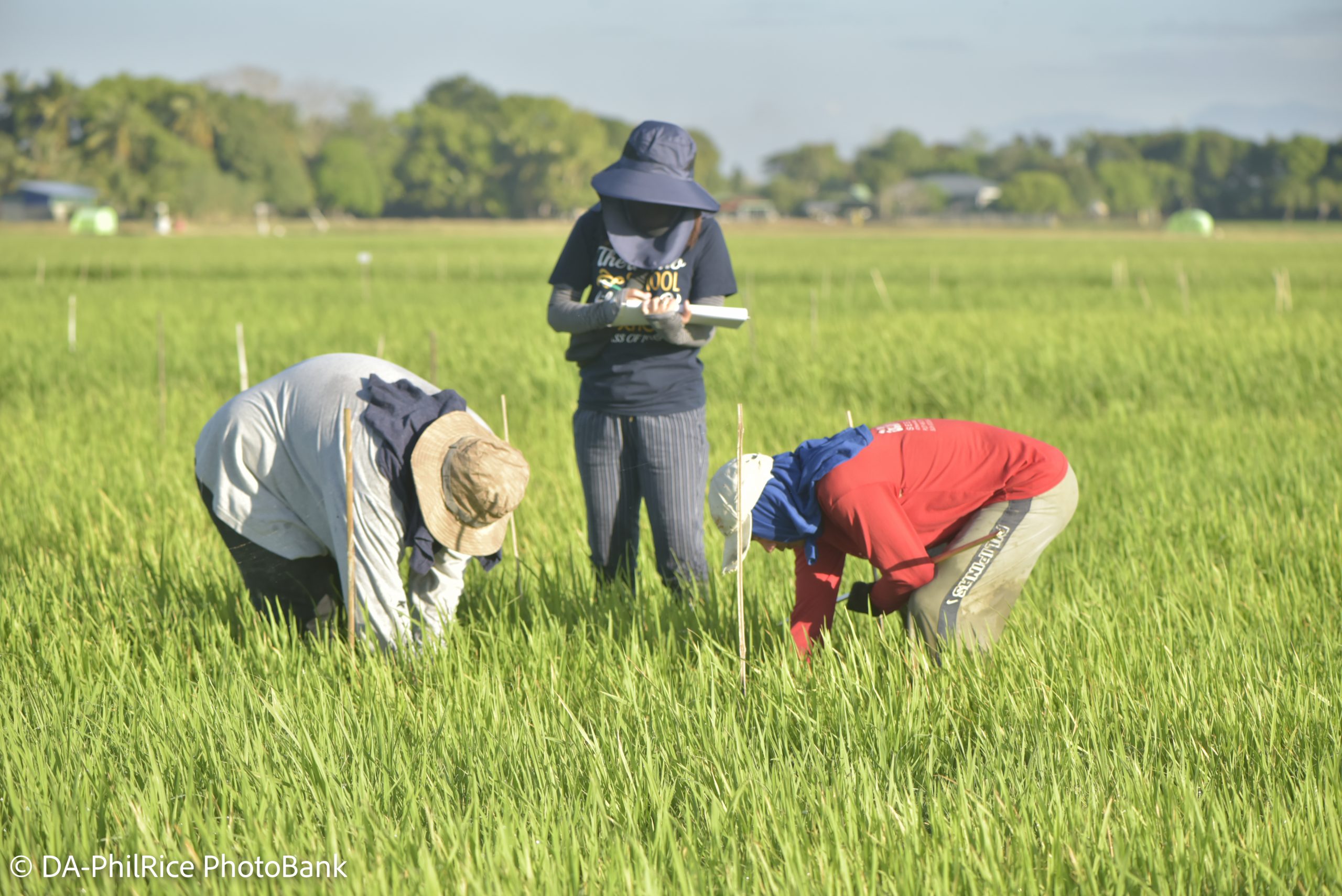
Knowing how the rice crop interacts with biotic factors and the agroecosystem, and correctly identifying pests and applying ecologically sound management strategies can help prevent significant yield loss. They can also promote high-quality grains.

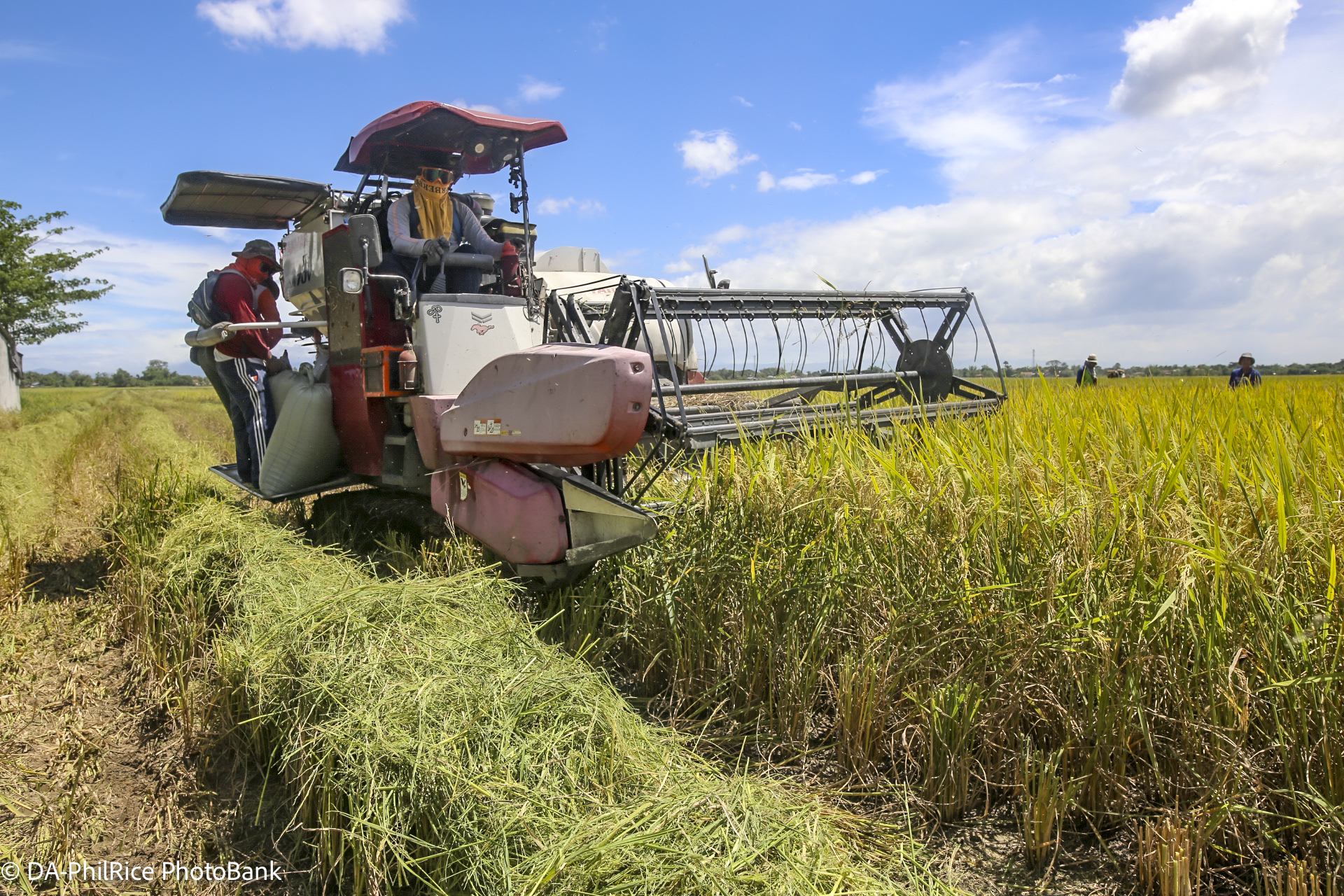
Key Check 8: HARVESTED THE CROP AT THE RIGHT TIME
Timely reaping and threshing ensures high-quality rice that leads to high market value and consumer acceptance. Harvesting too early results in immature grains with <1 to 1.5% harvest losses, and leads to low milling recovery of as low as 53%.
Harvesting too late leads to grain-shattering with > 3% (if manual) harvest losses. This results in low head rice recovery as low as 32% (manual) or 38% (mechanized).

Key Check 9: DRIED, CLEANED, AND STORED GRAINS PROPERLY
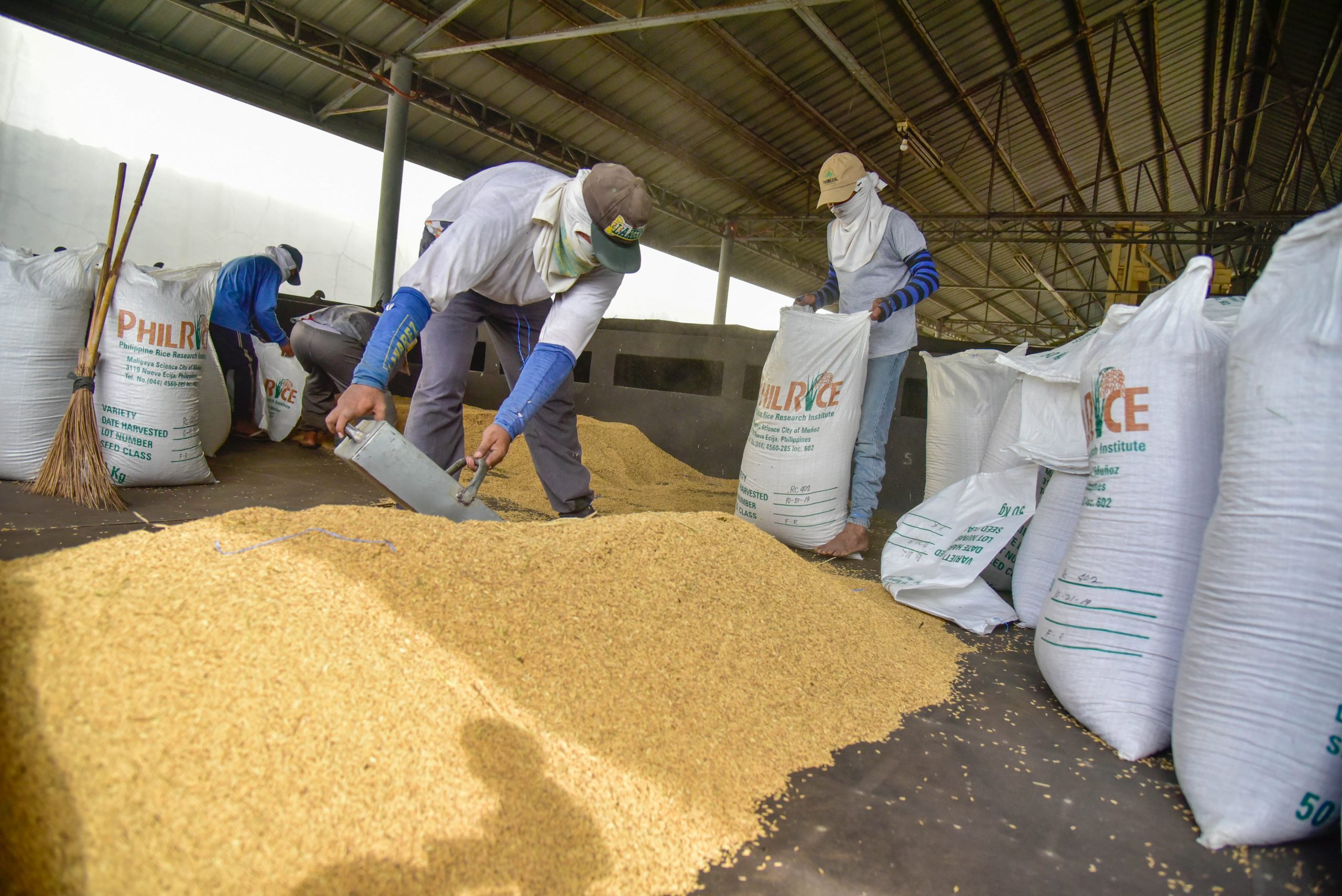
Proper drying, cleaning, and storing maintains grain quality, and helps control postharvest losses. These also maintain the quality of palay suitable for milling and allow long storage.
Producing high-quality rice helps meet customers’ requirement and acceptance in the market. It also achieves greater overall market value.